CortexPhysio — Bold Stacked Logo (Aligned Tagline)

Insights

Insights

MSK Ultrasound: Understanding Musculoskeletal Pain & Diagnosis

Persistent pain can be frustrating, particularly when you do not know what is causing it. A painful shoulder, knee, ankle or tendon problem may affect your everyday activities and make exercise increasingly difficult. Musculoskeletal ultrasound, commonly known as MSK ultrasound, is an imaging technique that can be used to assess certain muscles, tendons, joints and other soft tissues. When clinically appropriate, MSK ultrasound can provide additional information alongside a physical assessment, helping clinicians develop a clearer understanding of certain musculoskeletal problems. What Is MSK Ultrasound? MSK ultrasound uses high-frequency sound waves to produce real-time images of structures within the body. It can be used to assess various soft tissues, including selected tendons, muscles, ligaments and joints. One of its useful features is the ability to perform dynamic assessment. This means certain structures can be observed while the body moves, depending on the area being examined and the clinical question. MSK ultrasound is non-invasive and does not use ionising radiation. Why Might MSK Ultrasound Be Recommended? Pain does not always reveal exactly which structure is responsible for symptoms. For example, discomfort around a joint may be associated with different muscles, tendons, soft tissues or joint structures. If symptoms persist or the clinical picture requires further investigation, MSK ultrasound may provide useful additional information. It can be particularly relevant when assessing certain soft-tissue problems. However, imaging is most useful when considered alongside symptoms, medical history and physical examination. What Can MSK Ultrasound Examine? The areas that can potentially be assessed include different regions of the body. Shoulder Shoulder pain can involve several structures working together around the joint. Ultrasound can provide images of selected tendons and soft tissues around the shoulder when clinically appropriate. Elbow and Forearm Repetitive activities, exercise and sports can place significant demands on the elbow and forearm. Ultrasound may help assess certain soft-tissue structures when symptoms require further investigation. Hip and Groin Hip and groin pain can have multiple possible causes. A detailed clinical assessment helps determine whether MSK ultrasound may be useful and which structures should be assessed. Knee Knee symptoms may develop following an injury or gradually over time. Depending on the symptoms, ultrasound can be used to assess selected soft tissues around the knee. Ankle and Foot The ankle and foot contain multiple muscles, tendons, joints and other structures involved in movement and weight-bearing. Ultrasound may be appropriate for investigating certain soft-tissue problems in this area. MSK Ultrasound and Physiotherapy MSK ultrasound can complement physiotherapy when additional information about a musculoskeletal problem is required. Physiotherapy assessment considers more than an image. A clinician may evaluate your: If ultrasound is appropriate, its findings can then be considered alongside this information. This helps create a more complete clinical picture. Dynamic Ultrasound Assessment One feature that makes ultrasound particularly useful for certain musculoskeletal assessments is dynamic imaging. Structures can sometimes be observed while a person moves the affected area. For example, the clinician may ask you to move a joint or perform a specific movement while observing the relevant structures. This can provide information that may not be visible during a completely static assessment. The exact approach depends on the body area and the reason for the scan. MSK Ultrasound for Sports Injuries Sports injuries can affect muscles, tendons and other soft tissues. When symptoms persist or the diagnosis requires clarification, MSK ultrasound may sometimes be considered. This can be particularly useful for active individuals because understanding the condition can help inform rehabilitation and return-to-sport planning. However, the scan itself is only one part of the process. A successful return to sport may also require appropriate strengthening, mobility work, movement training and progressive exposure to sporting demands. Ultrasound and Injection Therapy MSK ultrasound can also be relevant when certain injection treatments are being considered. Ultrasound guidance can allow the clinician to visualise relevant structures during selected procedures. This may help with accurate placement when an ultrasound-guided procedure is clinically appropriate. However, not every person with pain requires an injection. The decision should be based on the individual’s symptoms, diagnosis, medical history and clinical assessment. A suitable clinician can explain the available options and whether a particular treatment may be appropriate. What Happens During an MSK Ultrasound? The appointment usually begins with a discussion about your symptoms and the reason for the examination. You may be asked about: The clinician will then assess the relevant area. A small amount of ultrasound gel is applied to the skin, and the ultrasound probe is moved over the area being examined. Depending on the body part, you may be asked to change position or perform certain movements. The process is generally straightforward and non-invasive. Is MSK Ultrasound Painful? The ultrasound scan itself is generally non-invasive. The probe moves across the skin using ultrasound gel. However, if the area being examined is already painful or sensitive, pressure from the probe may reproduce some discomfort. It is important to communicate with your clinician during the assessment if you experience significant discomfort. What Happens After an MSK Ultrasound? The next step depends on the clinical findings and your symptoms. Your clinician may discuss the results with you and explain what they mean in relation to your condition. Depending on the circumstances, recommendations may include: The findings should be interpreted in the context of your symptoms rather than viewed in isolation. Why Imaging Does Not Always Tell the Whole Story An important point about any form of medical imaging is that findings on a scan do not necessarily explain every symptom. Some changes can occur without causing pain, while symptoms may sometimes exist even when imaging does not show an obvious abnormality. This is why clinical assessment remains important. MSK ultrasound should be considered a tool that can provide additional information rather than a complete replacement for history and physical examination. MSK Ultrasound and Long-Term Recovery Understanding your condition can help you make more informed decisions about treatment and rehabilitation. If a musculoskeletal problem is affecting your movement or exercise, a combination of appropriate assessment,

Insights

Sports Injury Recovery: How Physiotherapy Can Help You Return to Activity

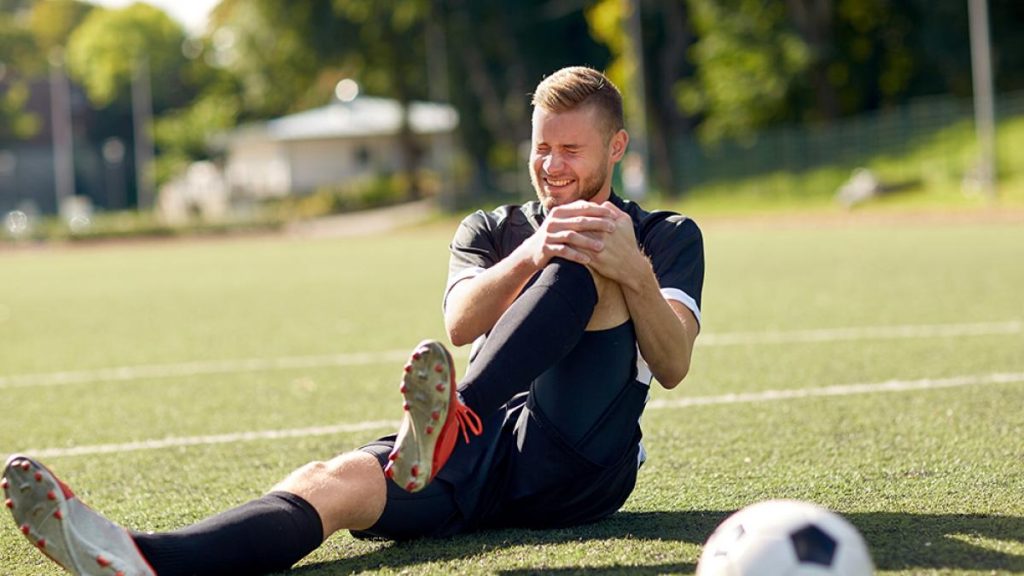
An injury can interrupt everything from your training routine to your everyday activities. Whether you are a competitive athlete, regular gym-goer, runner or simply enjoy staying active, pain can make it difficult to continue doing what you enjoy. Recovering from a sports injury is not always as simple as resting until the pain goes away. Returning to activity too quickly may place unnecessary stress on an area that has not regained enough strength or capacity. A structured sports injury rehabilitation programme can help you gradually rebuild movement, strength and confidence while working towards a safe return to your normal activities. What Causes Sports Injuries? Sports injuries can happen for many different reasons. Some occur suddenly, such as an ankle injury following an awkward landing or a muscle strain during a sprint. Others develop gradually as tissues are exposed to repeated physical demands. Potential contributing factors can include: An injury does not always have one single cause. Several factors may contribute to the development or persistence of symptoms. Common Sports Injuries Sports-related problems can affect almost any part of the body. Common examples include: The symptoms and recovery process can vary considerably depending on the injury and the individual. Why Assessment Matters When an injury occurs, it can be tempting to search for an exercise online and start immediately. However, the same exercise may not be appropriate for every condition. A physiotherapy assessment can help identify limitations in movement, strength and function while considering your symptoms, sporting activities and recovery goals. The assessment may consider: This information can help establish a more appropriate rehabilitation strategy. The Stages of Sports Injury Rehabilitation Recovery can involve several stages rather than one single treatment. Stage 1: Understanding the Injury The first step is understanding what happened and how your symptoms behave. Your physiotherapist can assess the affected area and discuss what activities currently aggravate or improve your symptoms. Stage 2: Managing Symptoms Early rehabilitation may focus on reducing unnecessary aggravation while maintaining appropriate movement and activity. The exact approach depends on the injury. Stage 3: Restoring Mobility Injury can sometimes result in stiffness or reduced range of movement. Appropriate mobility exercises may help restore movement where limitations are present. Stage 4: Rebuilding Strength Strength is an important part of returning to physical activity. If you have reduced activity because of pain, the affected muscles may lose some capacity. Progressive strengthening can help rebuild this capacity. Stage 5: Returning to Sport The final stage involves gradually increasing the demands placed on the body. Depending on your sport, this may involve running, jumping, changing direction, lifting or sport-specific movements. Why Returning Too Quickly Can Be a Problem Feeling less pain is an important improvement, but it does not necessarily mean that the body is ready for full activity. For example, you may be able to walk comfortably but still lack the strength required for repeated running or jumping. Returning to your previous training volume immediately can place a large demand on recovering tissues. A gradual return allows your body to adapt to increasing physical demands. Strength and Conditioning After Injury Strength training can be an important part of sports injury rehabilitation. A progressive programme may begin with relatively simple exercises and gradually increase in resistance, repetitions, speed or complexity. The goal is to develop enough physical capacity for your intended activity. For an athlete, this may eventually involve high-speed or sport-specific movements. For someone who exercises recreationally, the focus may be returning comfortably to their normal routine. The Importance of Sport-Specific Rehabilitation Different sports place different demands on the body. A football player may need to sprint, change direction and kick repeatedly. A runner may need to tolerate repeated impact. A tennis player may require rapid movement and upper-body rotation. Because of these differences, rehabilitation should eventually reflect the demands of the activity you want to return to. This can help bridge the gap between basic exercises and full sporting participation. Sports Massage During Recovery Sports massage may form part of a wider recovery routine for active individuals. Targeted massage techniques can be used to address muscular tension and fatigue. However, massage alone is not a substitute for assessment and rehabilitation when an injury is present. If pain is persistent or repeatedly returns, understanding the underlying factors should be an important part of the process. Deep Tissue Massage Deep tissue massage uses focused pressure to work on deeper muscular tissues. It may be appropriate for certain areas of muscular tightness and tension. The treatment should always be adapted to the individual’s needs, particularly when there is an existing injury. Shockwave Therapy Shockwave therapy is another treatment option used for selected musculoskeletal conditions. It uses acoustic waves and may be considered for certain persistent tendon and soft-tissue problems. Whether shockwave therapy is appropriate depends on the specific condition and clinical assessment. It can sometimes form part of a broader treatment plan alongside exercise and rehabilitation. Preventing Future Sports Injuries No rehabilitation programme can guarantee that an injury will never happen again. However, maintaining appropriate physical capacity can help support your ability to handle the demands of your chosen activity. Useful principles can include: If the same problem repeatedly returns, consider having it reassessed. How Long Does Sports Injury Recovery Take? Every injury is different. Recovery can depend on the type and severity of the injury, how long symptoms have been present, your physical condition and the demands of your sport. Some minor problems may improve relatively quickly, while more complex injuries can require a longer rehabilitation period. Instead of focusing only on a fixed timeline, rehabilitation should consider functional progress. You may be ready to progress when your strength, movement and tolerance to activity have improved sufficiently for the next stage. When Should You See a Physiotherapist? Professional assessment may be useful if: Early assessment can provide useful guidance about appropriate activity and rehabilitation. Returning to the Activities You Enjoy A sports injury does not necessarily mean that you have to permanently stop doing the activities

Insights

Physiotherapy: A Complete Guide to Pain, Injury & Recovery

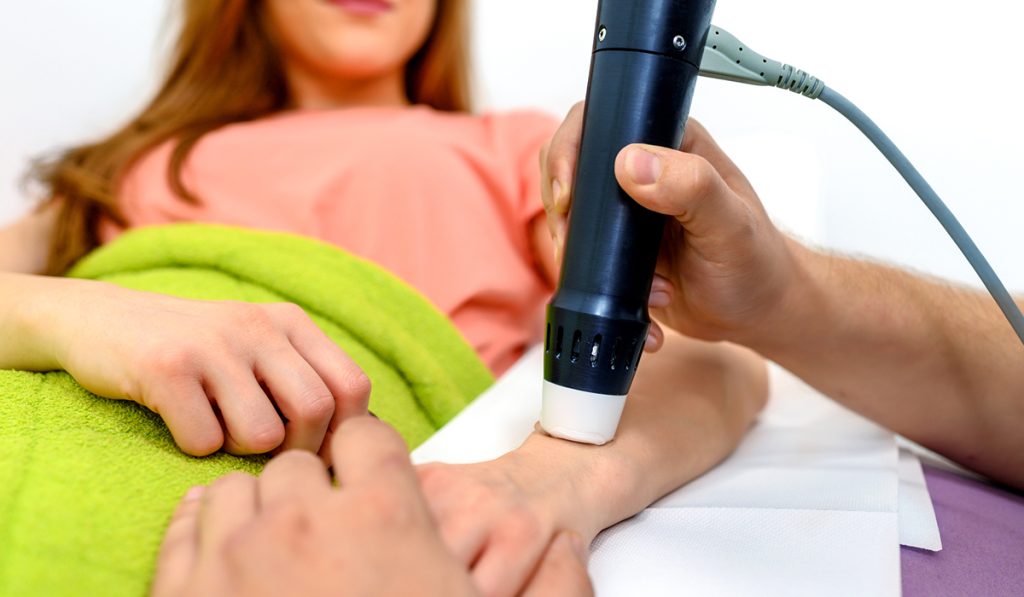
Pain, stiffness and reduced movement can affect your ability to work, exercise and enjoy everyday activities. Whether you are recovering from an injury, experiencing ongoing joint pain or struggling with reduced mobility, physiotherapy can play an important role in helping you move more comfortably and confidently. Physiotherapy focuses on improving movement, restoring physical function and supporting recovery through an individualised treatment and rehabilitation plan. Rather than simply treating the area where you feel pain, a physiotherapy assessment can help identify factors that may be contributing to your symptoms. What Is Physiotherapy? Physiotherapy is a healthcare profession focused on movement, physical function and rehabilitation. It can help people manage a wide range of musculoskeletal conditions affecting muscles, joints, tendons and other soft tissues. A physiotherapy assessment usually begins with a discussion about your symptoms, medical history, lifestyle and goals. Your movement, strength and physical function may then be assessed to develop a suitable treatment approach. Treatment can vary considerably from person to person. Depending on your condition, physiotherapy may involve exercise therapy, manual techniques, mobility work, strengthening, education and progressive rehabilitation. The overall aim is to help you understand your condition and work towards improved movement and function. When Can Physiotherapy Help? Physiotherapy may be appropriate for many different types of pain and movement problems. Common reasons people seek physiotherapy include: Some conditions develop suddenly, while others appear gradually over weeks or months. Persistent or recurring symptoms may benefit from professional assessment to determine what could be contributing to the problem. Why Is a Physiotherapy Assessment Important? Pain does not always provide a complete explanation of what is happening. For example, two people can experience pain in the same area but have completely different underlying factors. One person may have reduced strength, while another may have restricted movement or changes in how they perform certain activities. A physiotherapy assessment considers the bigger picture. Your physiotherapist may look at: This information helps create a treatment plan that is appropriate for your individual circumstances. Personalised Physiotherapy Treatment There is no universal treatment programme that works for everyone. A recreational runner recovering from knee pain may require a very different rehabilitation plan from someone dealing with long-term shoulder stiffness. Similarly, an individual recovering from a muscle strain may need a gradual strengthening programme rather than simply resting until the pain disappears. Personalised physiotherapy considers your current abilities and gradually progresses treatment as your condition improves. Treatment may include: Exercise Therapy Specific exercises can help improve strength, flexibility, balance and movement control. Exercises are generally selected according to the individual’s condition and current physical capacity. As strength and confidence improve, exercises can be progressed to provide an appropriate challenge. Manual Therapy Manual techniques may be used alongside exercise and rehabilitation where appropriate. Depending on the condition, these techniques may help address areas of stiffness, restricted movement or muscular tension. Movement Education Understanding how your body responds to different activities can be an important part of recovery. Your physiotherapist may provide guidance on movement, activity levels, exercise technique and ways to gradually increase physical demands. Physiotherapy and Rehabilitation Physiotherapy and rehabilitation often work together. Rehabilitation is the process of gradually rebuilding physical capacity following injury or reduced activity. It may focus on restoring strength, mobility, coordination and confidence. A rehabilitation programme can be particularly important when returning to sport or physically demanding activities. For example, being able to walk comfortably after an injury does not necessarily mean that you are ready to sprint, jump or return to full sporting activity. A progressive rehabilitation programme allows physical demands to increase gradually. Physiotherapy for Sports Injuries Sports injuries can occur during almost any physical activity. They may result from a sudden movement, collision, fall or awkward landing. Other injuries develop gradually due to repetitive loading, changes in training or insufficient recovery. Common sports-related problems include muscle strains, tendon injuries, knee pain, ankle problems and shoulder injuries. Physiotherapy can help by assessing the injury, managing symptoms and developing a progressive plan to restore strength and movement. The rehabilitation process can then be adapted according to the demands of the activity you want to return to. Other Treatments That May Support Recovery Depending on your assessment, additional treatments may form part of a wider musculoskeletal care plan. Shockwave Therapy Shockwave therapy is a non-invasive treatment that uses acoustic waves and may be considered for certain persistent musculoskeletal conditions. It may be used alongside other rehabilitation strategies where clinically appropriate. Sports Massage Sports massage uses targeted manual techniques and can be useful for active individuals experiencing muscular tension or fatigue. It may complement an exercise and recovery programme but does not replace appropriate assessment when an injury or persistent pain is present. Deep Tissue Massage Deep tissue massage focuses on deeper layers of muscle and may be used to address muscular tightness and areas of tension. The appropriate level and type of treatment should depend on individual needs. The Role of Exercise in Recovery Exercise is often an important part of physiotherapy. When pain limits activity, people may naturally reduce movement. Over time, this can sometimes lead to reduced strength and confidence. A carefully structured exercise programme can help rebuild physical capacity. The key is progression. Doing too much too soon may aggravate symptoms, while doing too little may not provide enough stimulus for improvement. A physiotherapist can help determine an appropriate starting point and guide progression over time. How Long Does Physiotherapy Take? Recovery time varies depending on the individual and the nature of the problem. Factors that can influence recovery include: Some people may require only a small number of sessions, while more complex conditions may require longer-term rehabilitation. The aim should not simply be to complete a certain number of appointments. Progress should be assessed according to symptoms, function and individual goals. Supporting Long-Term Physical Health Physiotherapy is not only about treating an existing injury. It can also help people understand their movement and physical capacity so they can make informed decisions about activity and exercise. Maintaining

CortexPhysio — Premium Healthcare Footer
Scroll to Top